

Nicotinamide adenine dinucleotide, commonly known as NAD+, has emerged as one of the most promising molecules in longevity research. This essential coenzyme, found in every living cell, plays a fundamental role in hundreds of metabolic processes that keep us alive and healthy.
As scientists continue to uncover the intricate mechanisms of cellular aging, NAD+ has taken center stage. Research published in leading journals has demonstrated that NAD+ levels naturally decline as we age—and this decline may be linked to many of the hallmarks of aging, from reduced energy metabolism to impaired DNA repair.
Understanding NAD+ and Cellular Energy
At its core, NAD+ serves as a critical coenzyme in the mitochondria—the powerhouses of our cells. Without adequate NAD+, the process of converting nutrients into cellular energy (ATP) becomes compromised. This fundamental role explains why NAD+ deficiency can manifest as fatigue, cognitive fog, and reduced physical performance.
Key Takeaway
NAD+ is essential for over 500 enzymatic reactions in your body, including those responsible for energy production, DNA repair, and cellular signaling.
Beyond energy production, NAD+ activates a family of proteins called sirtuins—often referred to as "longevity genes." These proteins regulate cellular health, stress response, and metabolic function. When NAD+ levels are optimal, sirtuins can effectively perform their protective roles.
The Mitochondrial Connection
Mitochondria rely heavily on NAD+ to function properly. As these organelles age or become damaged, they produce less ATP and more harmful reactive oxygen species. Research suggests that maintaining healthy NAD+ levels may help preserve mitochondrial function and reduce oxidative stress.
- NAD+ is required for the electron transport chain, the final stage of cellular respiration
- Sirtuins depend on NAD+ to regulate mitochondrial biogenesis
- Adequate NAD+ levels support the removal of damaged mitochondria through mitophagy
"NAD+ sits at the intersection of energy metabolism and cellular signaling, making it a uniquely important molecule for understanding aging." — David Sinclair, PhD, Harvard Medical School
The Age-Related Decline
One of the most striking findings in NAD+ research is the consistent observation that levels decline with age. By middle age, NAD+ levels may be reduced by as much as 50% compared to young adults. This decline appears to accelerate various aspects of cellular aging.
The causes of this decline are multifaceted. Chronic inflammation, a hallmark of aging known as "inflammaging," increases the activity of CD38—an enzyme that consumes NAD+. Additionally, the natural wear and tear of DNA damage requires NAD+-dependent repair enzymes, further depleting cellular stores.
Implications for Health and Aging
The relationship between NAD+ and aging extends beyond cellular energy. Research has linked NAD+ status to numerous age-related conditions and health markers:
Cognitive Function
Studies in animal models have shown that boosting NAD+ levels can improve cognitive performance and may offer neuroprotective benefits. The brain's high energy demands make it particularly sensitive to NAD+ availability.
Metabolic Health
NAD+ plays a crucial role in metabolic regulation. Adequate levels support healthy glucose metabolism, lipid processing, and weight management. Some researchers believe that declining NAD+ contributes to age-related metabolic changes.
Cardiovascular Function
The heart is one of the most metabolically active organs, making it highly dependent on NAD+-driven energy production. Emerging research suggests that NAD+ supplementation may support cardiovascular health as we age.
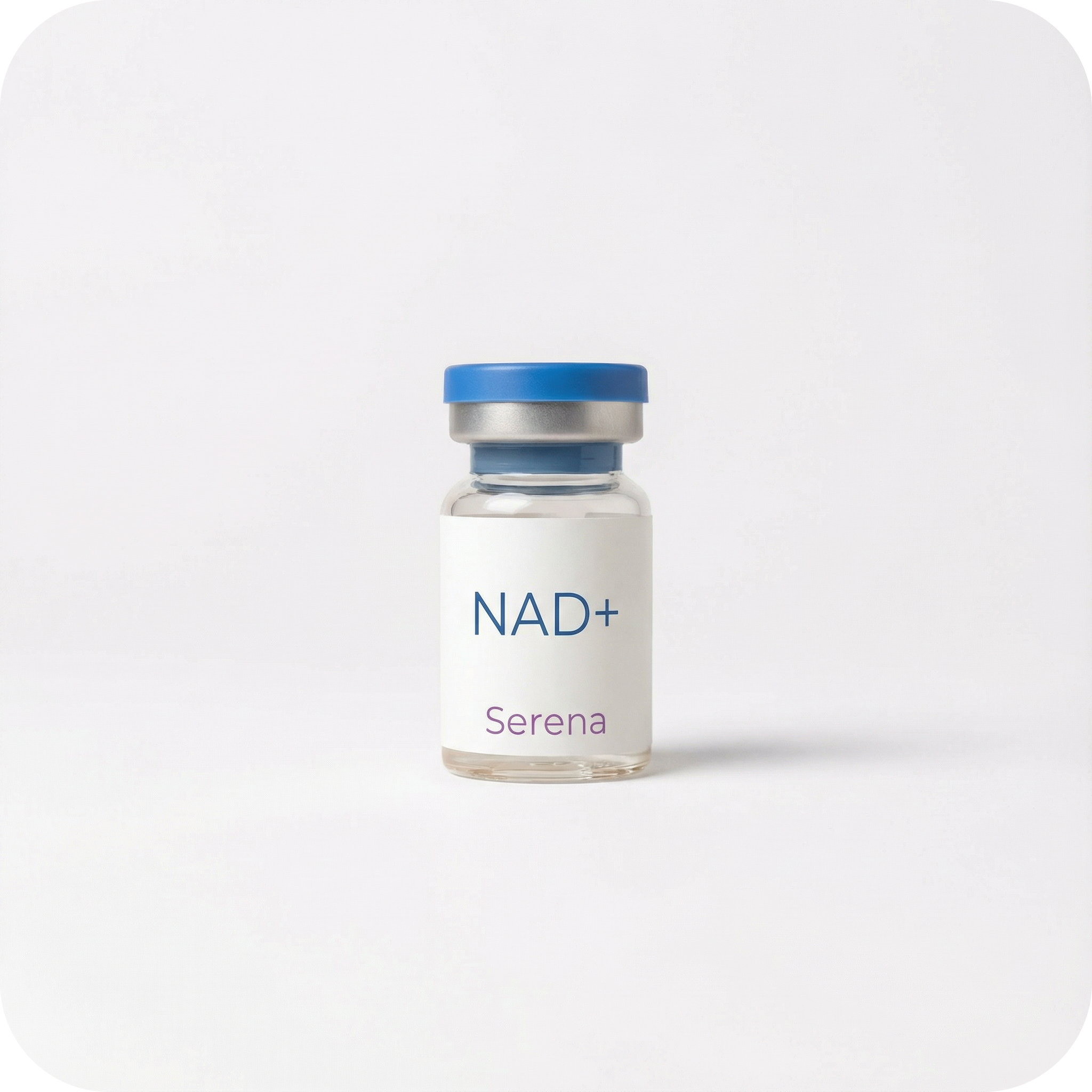
NAD+ Injectable
Clinical-grade NAD+ supplementation available through Serena Health's physician-supervised program.
Learn more about NAD+ therapy →The Role of Lifestyle Factors
While supplementation offers one approach to supporting NAD+ levels, lifestyle factors also play an important role. Research has identified several behaviors that may help maintain or boost NAD+:
- Exercise: Regular physical activity has been shown to increase NAD+ levels and stimulate the production of NAD+-dependent enzymes
- Caloric restriction: Fasting and caloric restriction activate sirtuins and may help preserve NAD+ stores
- Sleep optimization: Quality sleep supports NAD+ recycling and cellular repair processes
- Stress management: Chronic stress depletes NAD+ through increased inflammation and oxidative damage
Looking Forward
The field of NAD+ research continues to evolve rapidly. Clinical trials are underway to better understand the effects of NAD+ supplementation in humans, while scientists work to identify the most effective delivery methods and dosing strategies.
What's clear is that NAD+ represents a fundamental piece of the aging puzzle. As we learn more about how to maintain optimal NAD+ levels, we move closer to understanding—and potentially influencing—the aging process itself.
Important Note
This article is for educational purposes only and does not constitute medical advice. If you're interested in NAD+ supplementation, consult with a healthcare provider to determine what's appropriate for your individual situation.
References
- Verdin, E. (2015). NAD+ in aging, metabolism, and neurodegeneration. Science, 350(6265), 1208-1213. doi:10.1126/science.aac4854
- Imai, S., & Guarente, L. (2014). NAD+ and sirtuins in aging and disease. Trends in Cell Biology, 24(8), 464-471. doi:10.1016/j.tcb.2014.04.002
- Covarrubias, A. J., et al. (2021). NAD+ metabolism and its roles in cellular processes during ageing. Nature Reviews Molecular Cell Biology, 22, 119-141. doi:10.1038/s41580-020-00313-x
- Rajman, L., Chwalek, K., & Bhutani, N. (2018). Therapeutic potential of NAD-boosting molecules. Cell Metabolism, 27(3), 529-547. doi:10.1016/j.cmet.2018.02.011